
Menu
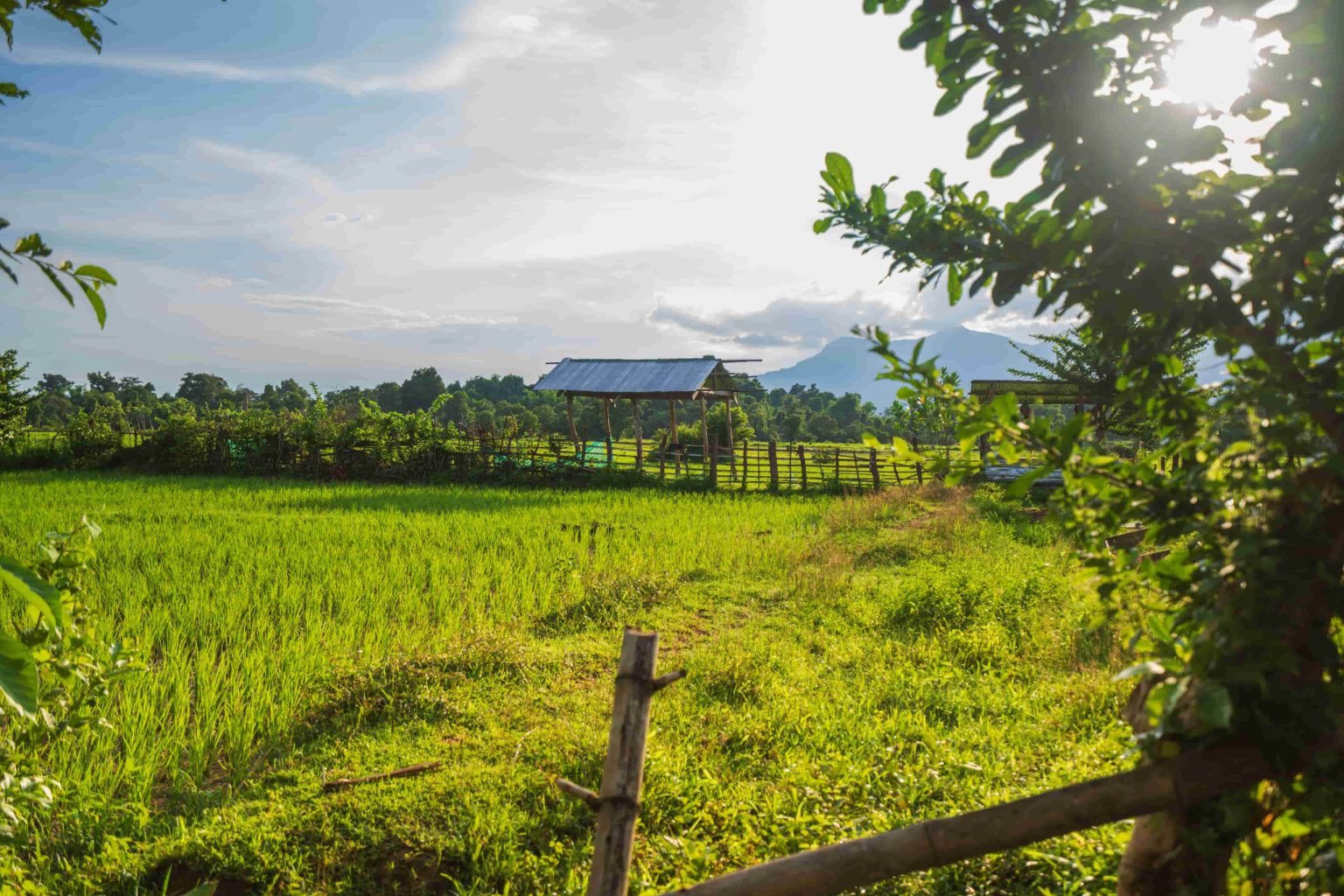
Where
birds sing.
Between the rice fields, woodland and the Mekong, there is always something to notice.
Slow down.
Life is all around.
A call from the trees. Movement above a rice field. A small bird at the water’s edge.
On Don Daeng, nature is part of everyday village life. Fields, gardens, shady paths and the changing riverbank bring different landscapes within a walk or a bicycle ride.
You can arrive with binoculars and a field guide, or simply with a little curiosity. Pause often, listen first and let the island reveal its smaller details.
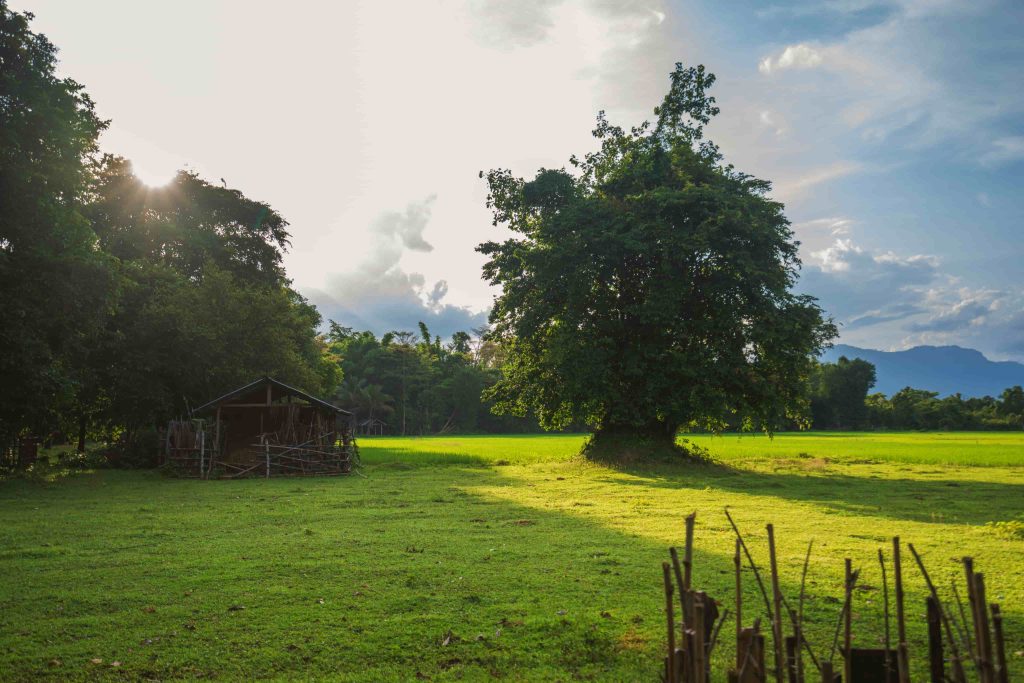
Meet your
island neighbours.
Discover the birds featured in our island guide, from the river’s edge to the trees above the villages. Open the illustration to take a closer look.
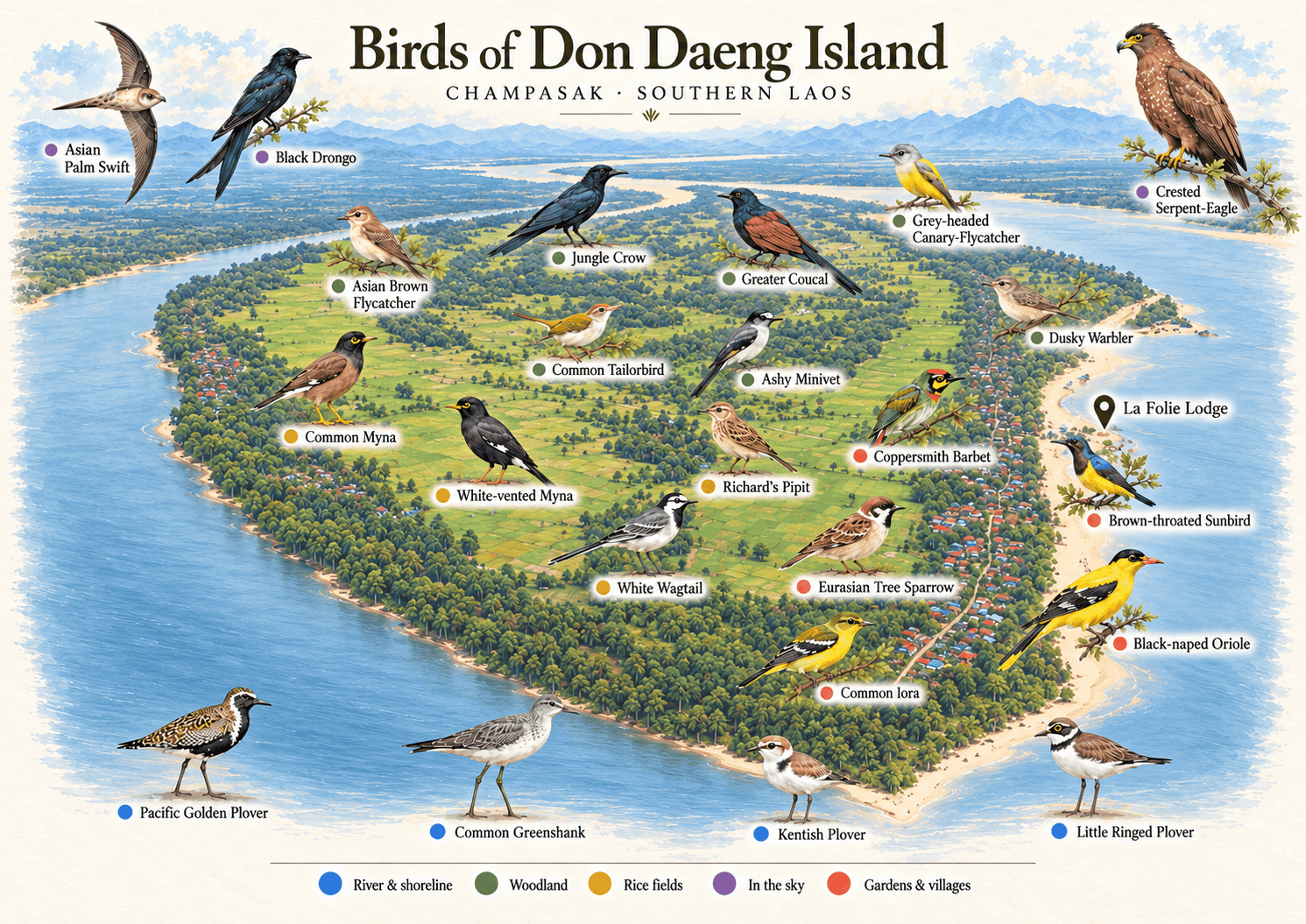
Birds of Don Daeng Island · An illustrated guide created with the support of La Folie Lodge.
Open the bird guideRead the bird names in the guide 23 illustrated species
The following names appear in the illustration. Use them as a starting point for exploring the island’s birdlife; sightings vary with season, habitat and conditions.
- Ashy Minivet
- Asian Brown Flycatcher
- Asian Palm Swift
- Black Drongo
- Black-naped Oriole
- Brown-throated Sunbird
- Common Greenshank
- Common Iora
- Common Myna
- Common Tailorbird
- Coppersmith Barbet
- Crested Serpent-Eagle
- Dusky Warbler
- Eurasian Tree Sparrow
- Greater Coucal
- Grey-headed Canary-Flycatcher
- Jungle Crow
- Kentish Plover
- Little Ringed Plover
- Pacific Golden Plover
- Richard’s Pipit
- White Wagtail
- White-vented Myna
From field to forest.
From forest to river.
Give each landscape a little time. Look across open ground, pause beneath the trees and follow the river from the paths along its edge.
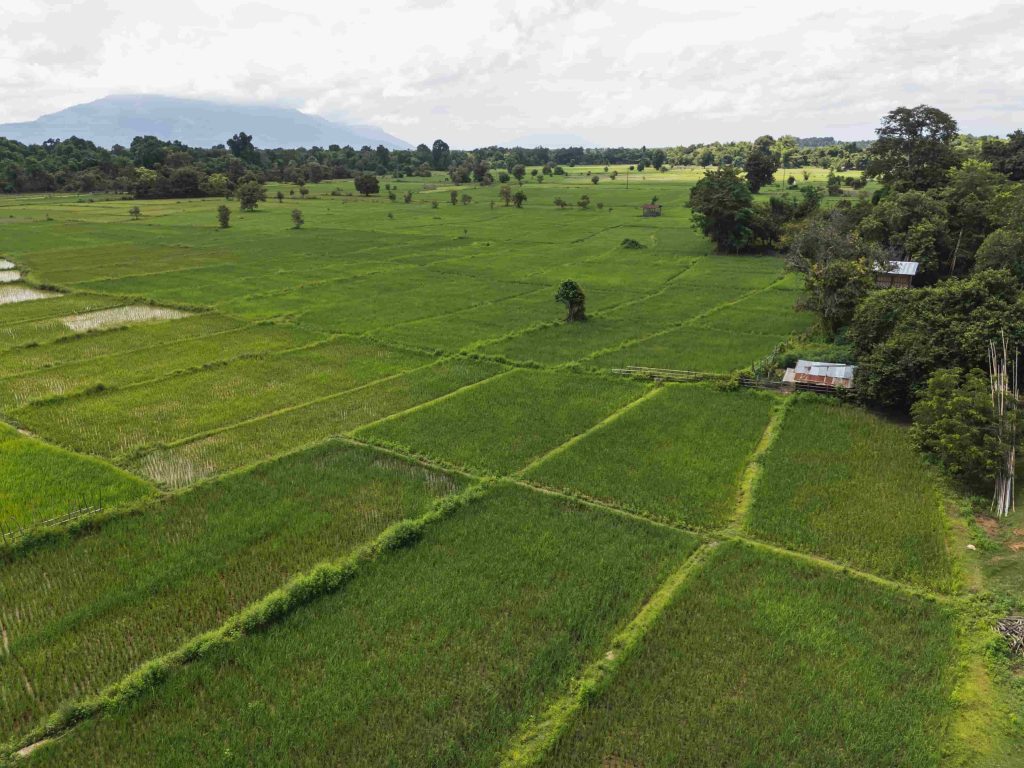
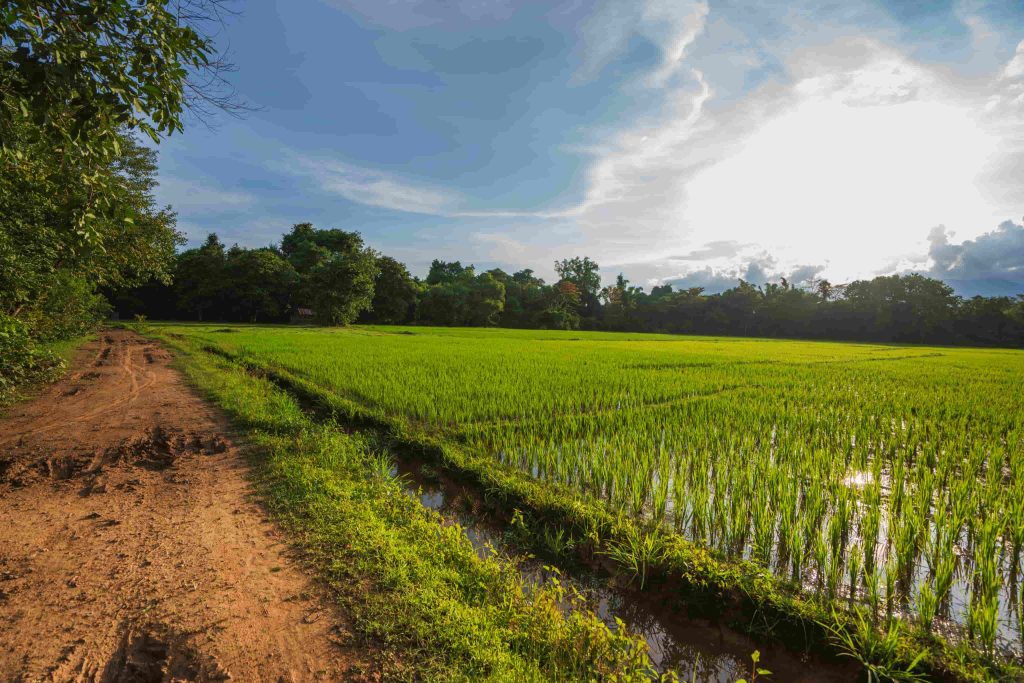
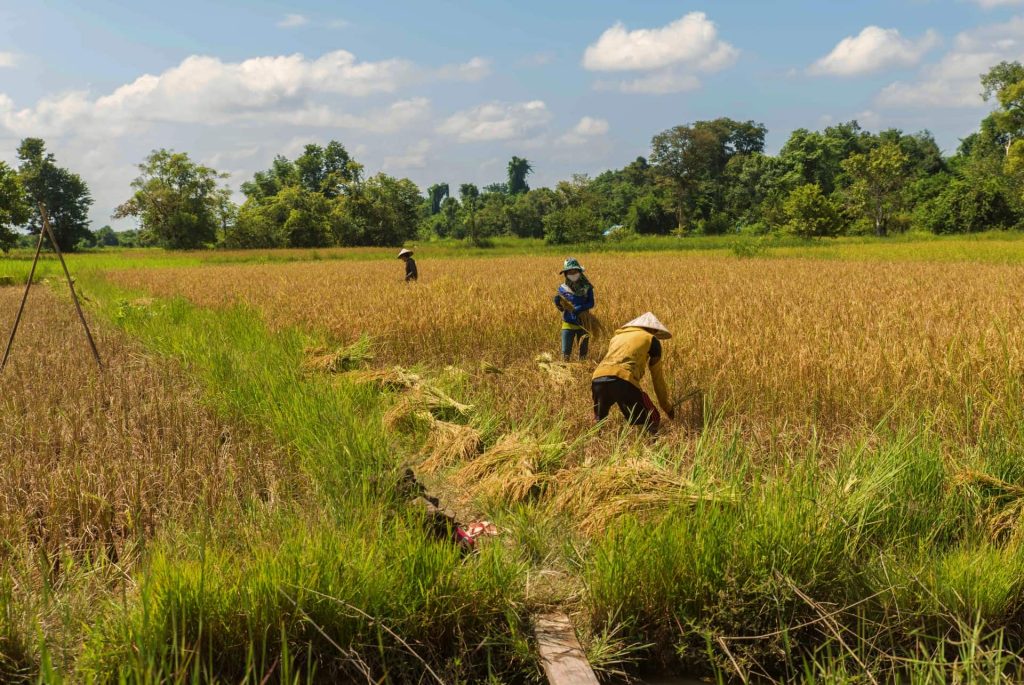
Rice fields.
Watch the paddies from the paths between villages. Water, crops and activity change through the seasons, offering a different scene each time you pass.
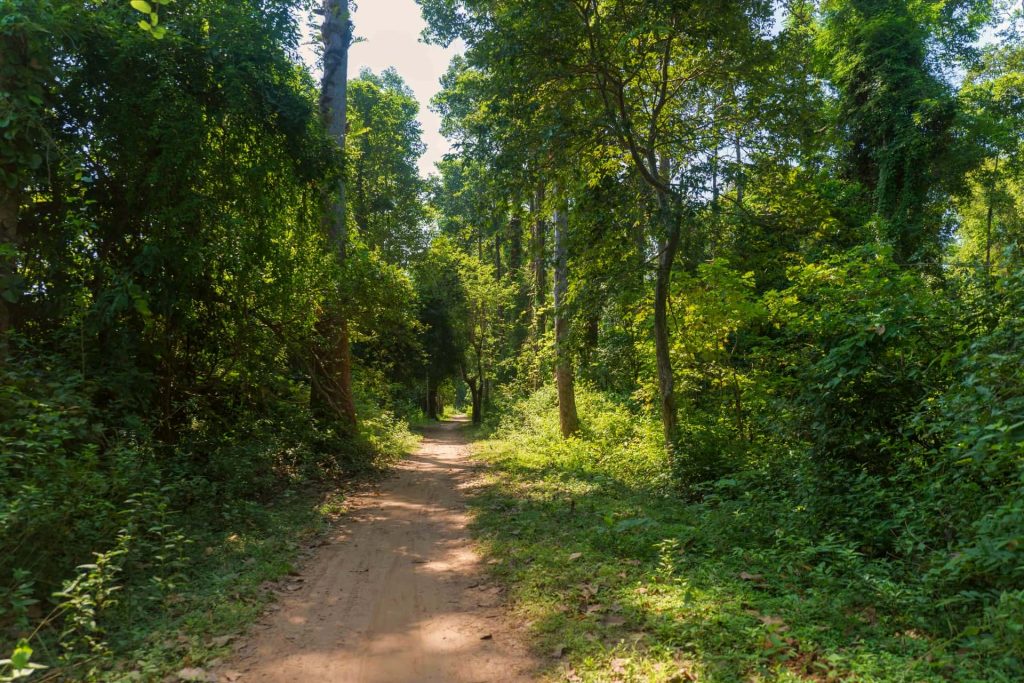
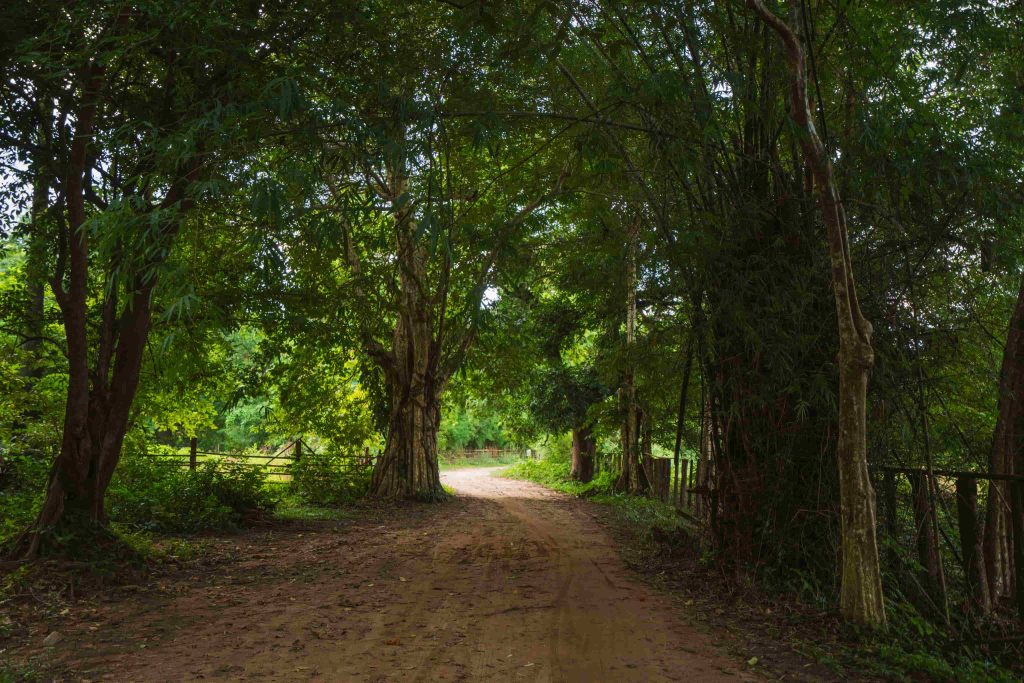
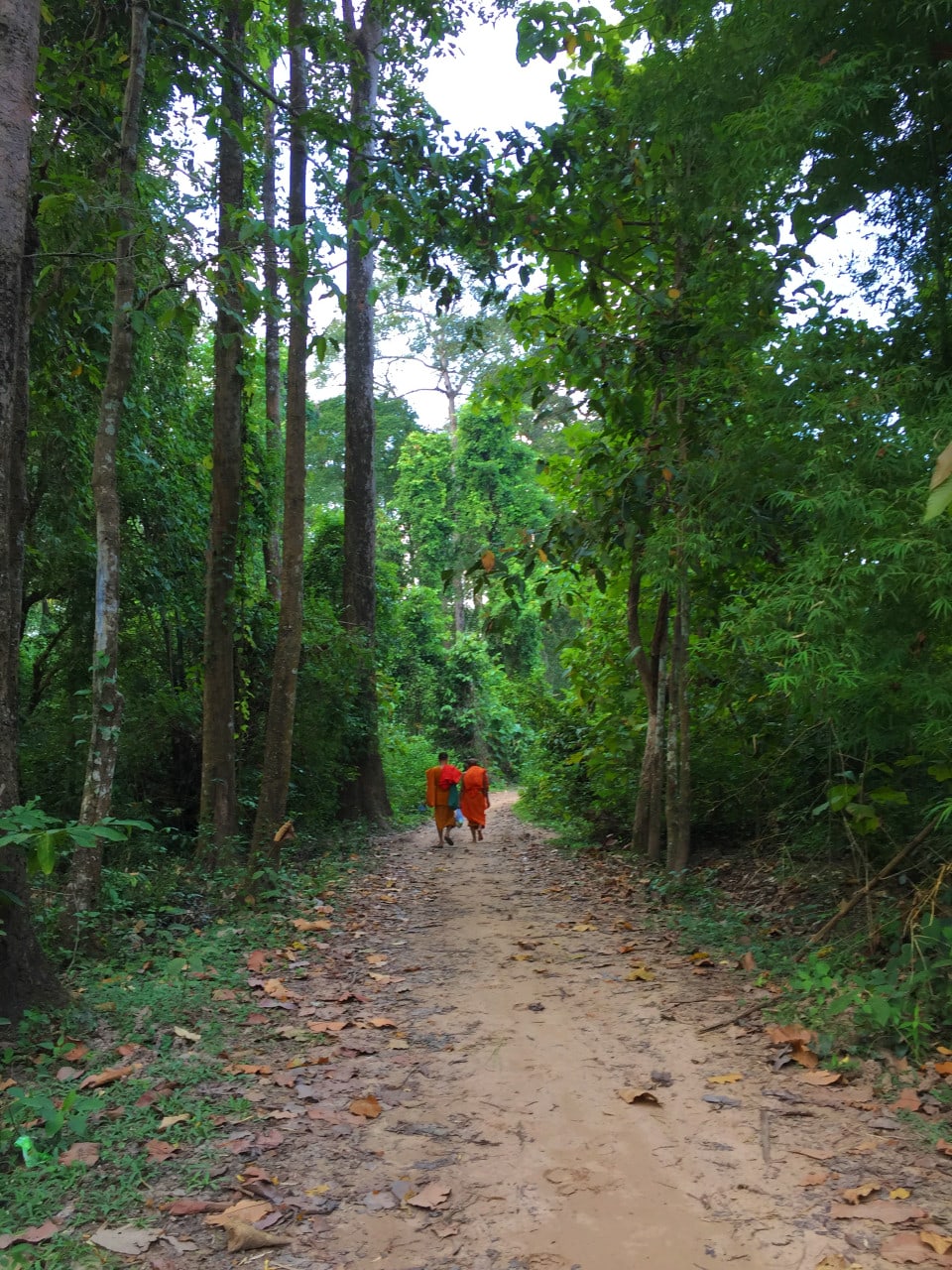
Woodland & gardens.
Stop in the shade and listen before moving on. Trees, flowering gardens and village edges reward patience and a closer look through the leaves.
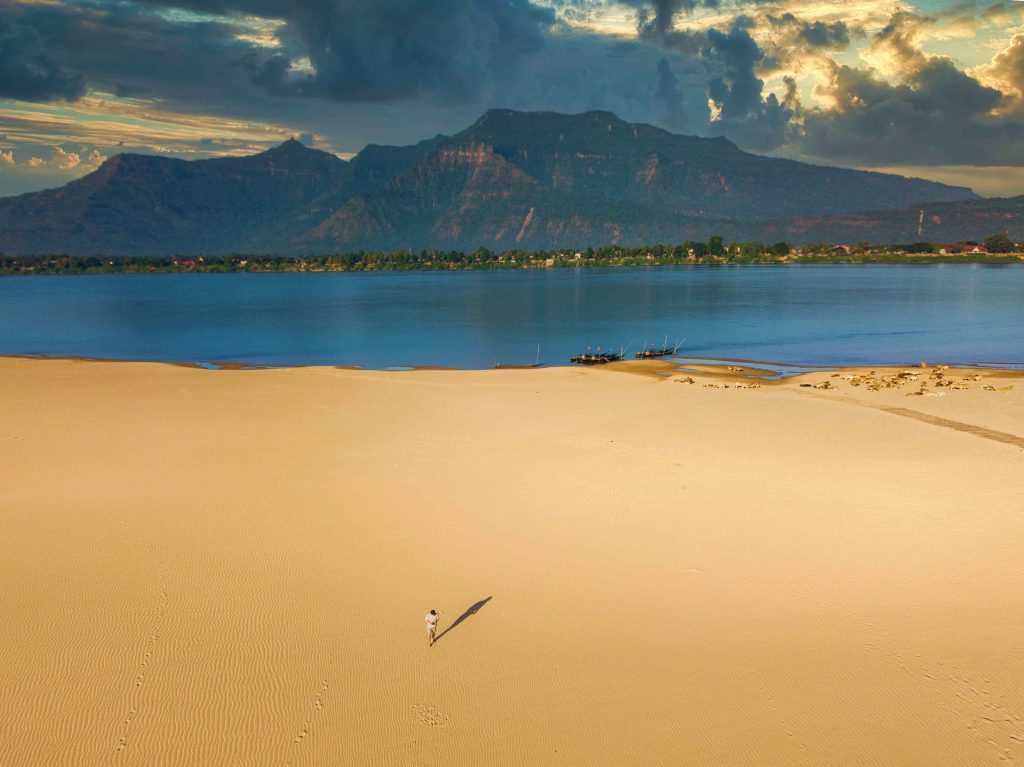
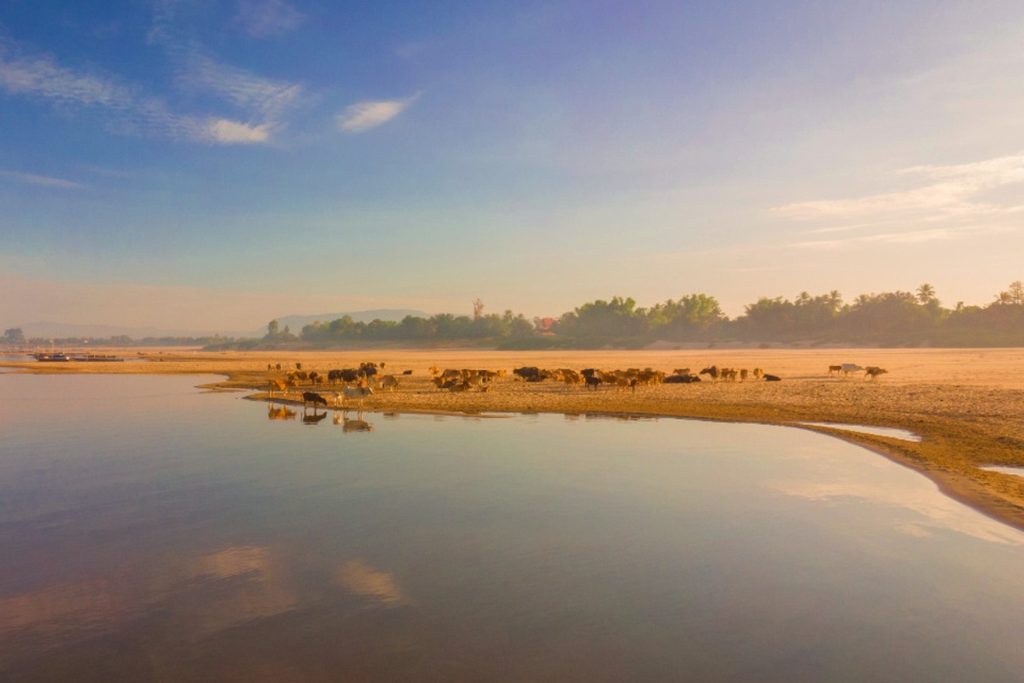
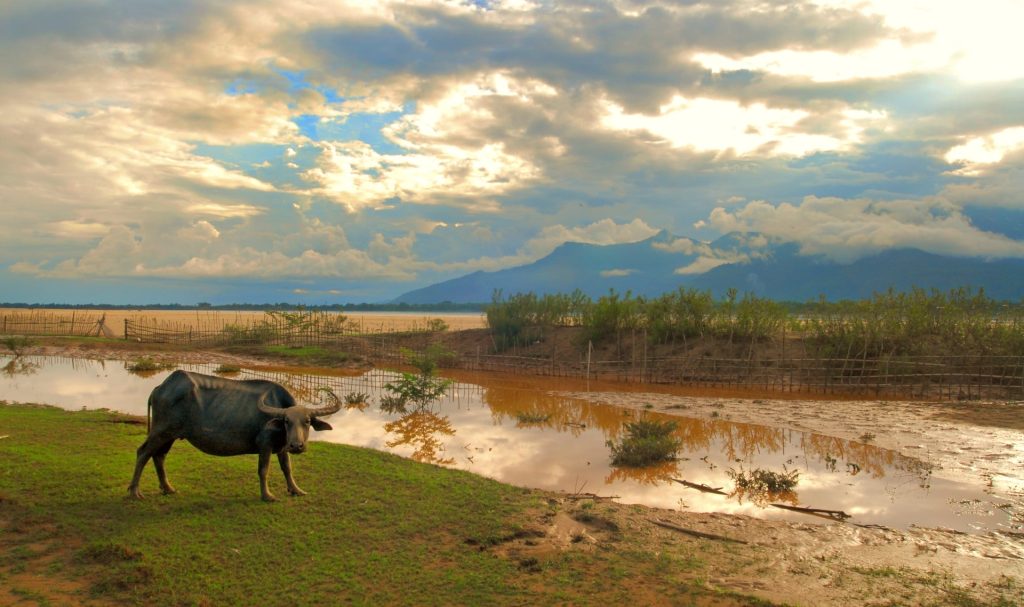
River & sandbanks.
The shoreline changes with the river level. Observe from a distance, especially around birds resting or feeding on exposed sand and shallow water.
The island is a lived-in landscape. Keep to established paths, respect working fields and ask before entering private land.
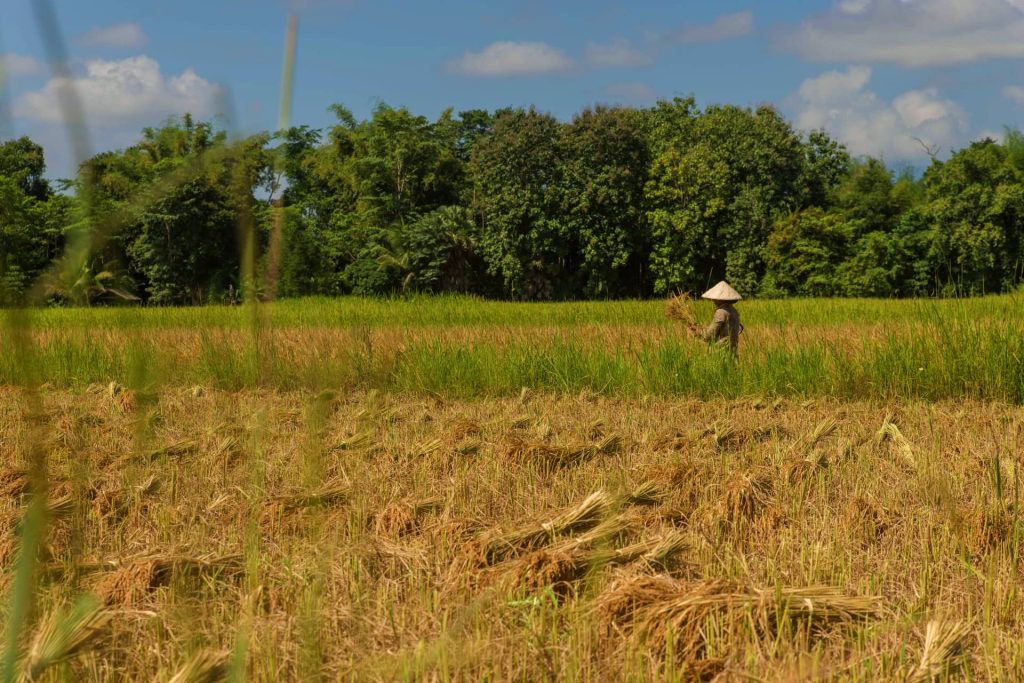
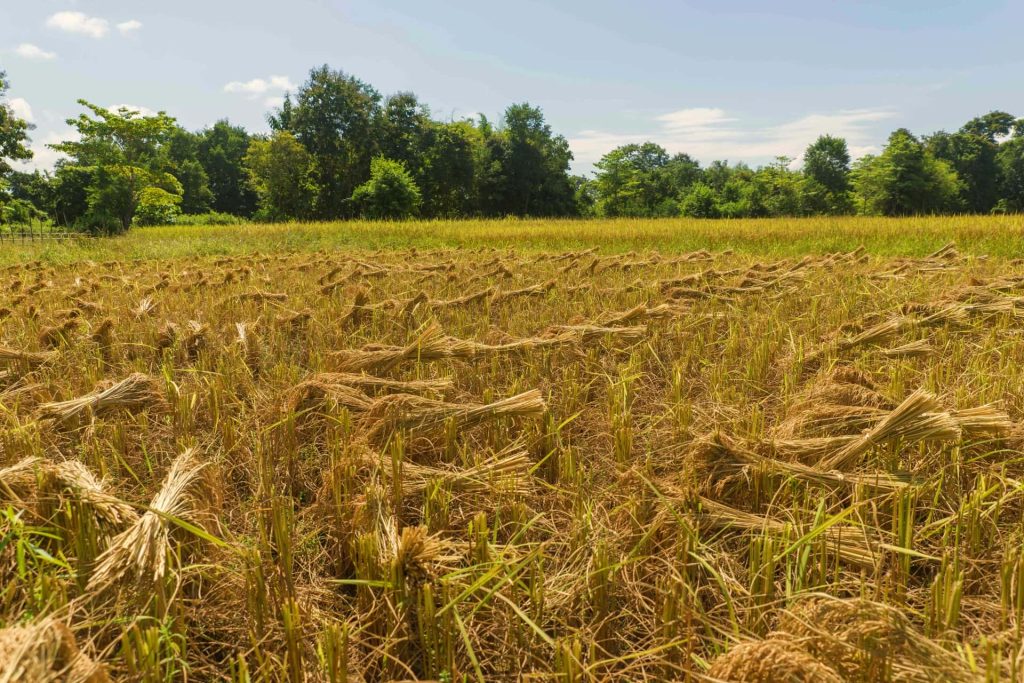
A field changes.
The island carries on.
Rice is part of the island’s everyday landscape. Growing fields, harvest work and cut stubble show different stages of that working year. These photographs capture separate moments: the view on your walk will depend on the season, the weather and what is happening in each field.

Take the
village paths.
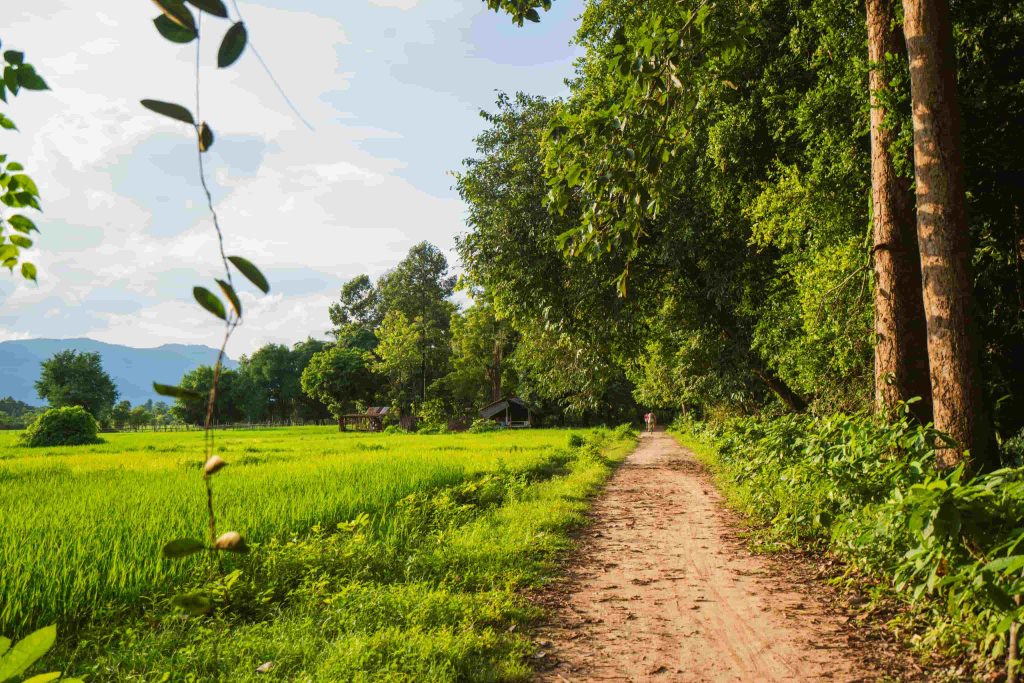
Walk beneath the trees or cycle between rice fields, temples and wooden houses. A bicycle lets you explore further; walking makes it easy to stop whenever something catches your attention.
Ask your host about bicycle hire and a route suited to the day’s conditions. Some paths are sandy, and rain can change the surface. Leave time for pauses and for the journey back.
Plan your island visit

Nature in
everyday life.
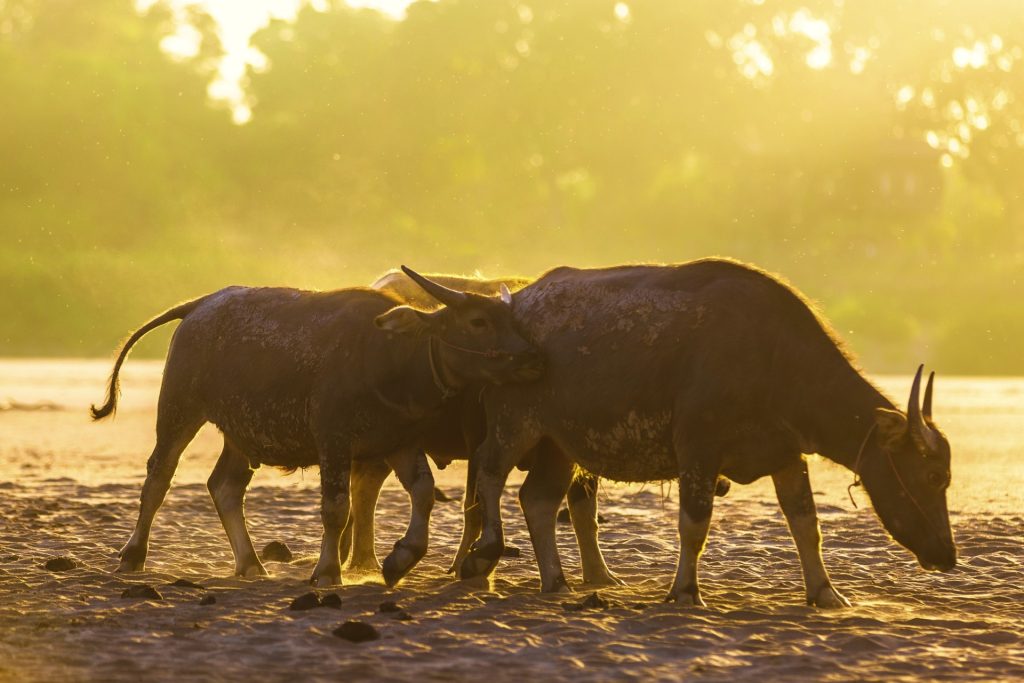
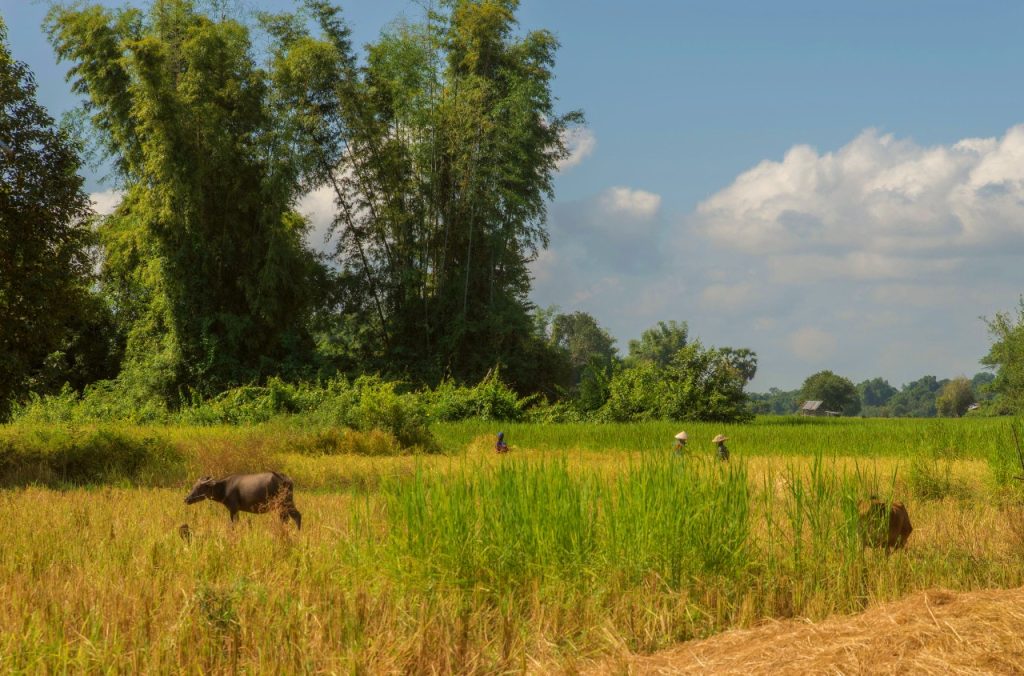
There is plenty to notice closer to the ground, too: butterflies around flowers, dragonflies over water and buffalo beside the fields.
The gardens, farmland and village trees are part of the island’s story. Take time to look, while leaving plants and wildlife undisturbed.
 Sounds of Don Daeng · Watch on YouTube ↗
The island has
its own soundtrack.
Bird calls, leaves moving above the path and the sounds of village life. Take a moment with “Sounds of Don Daeng,” a film shared by La Folie Lodge.
Watch & listenA path. A pause.
A different light.
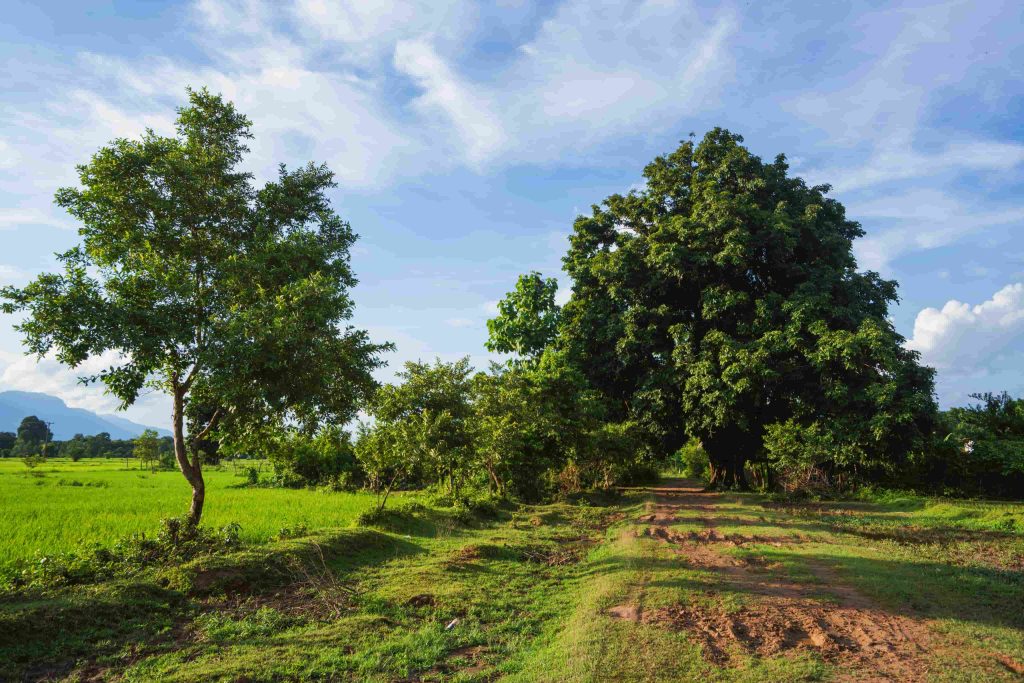
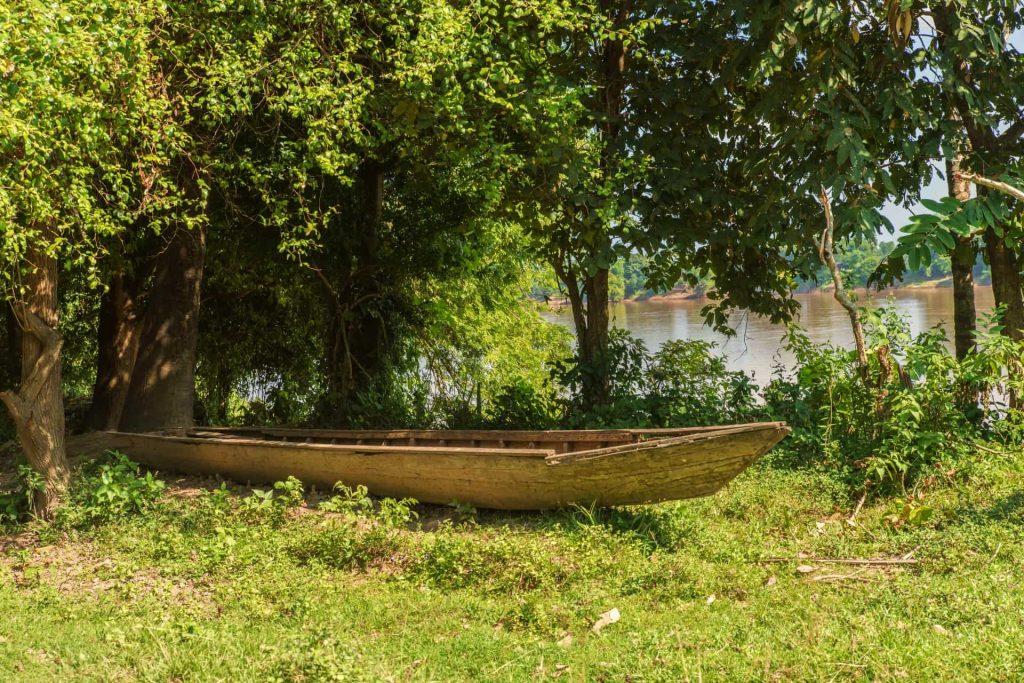
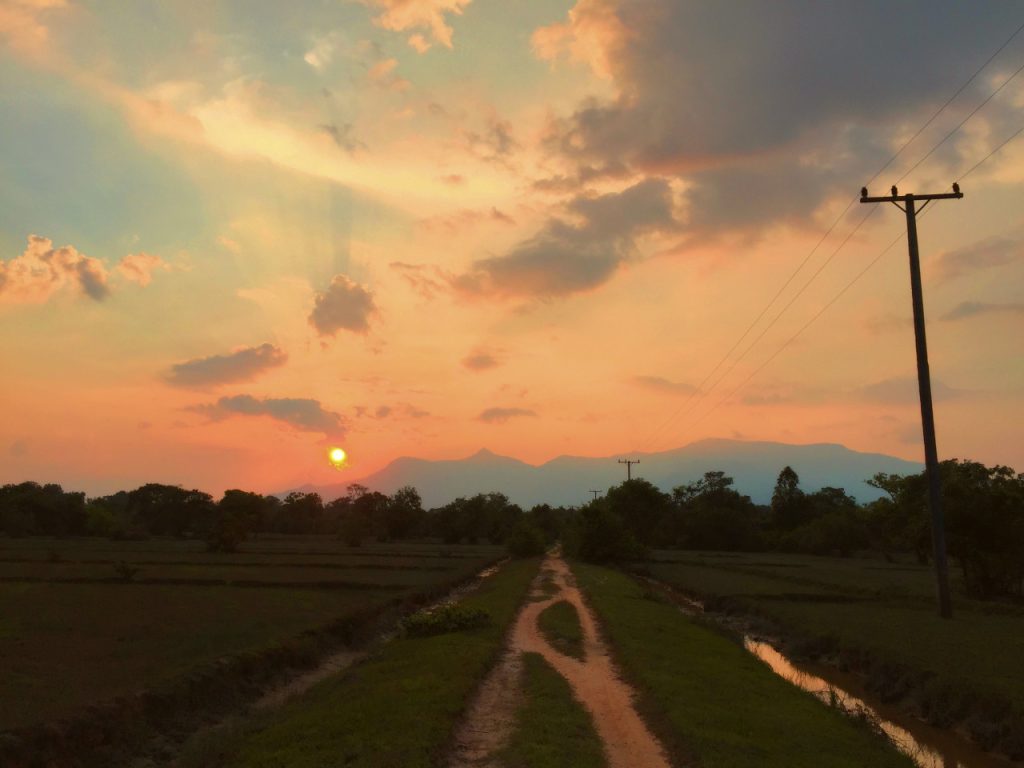
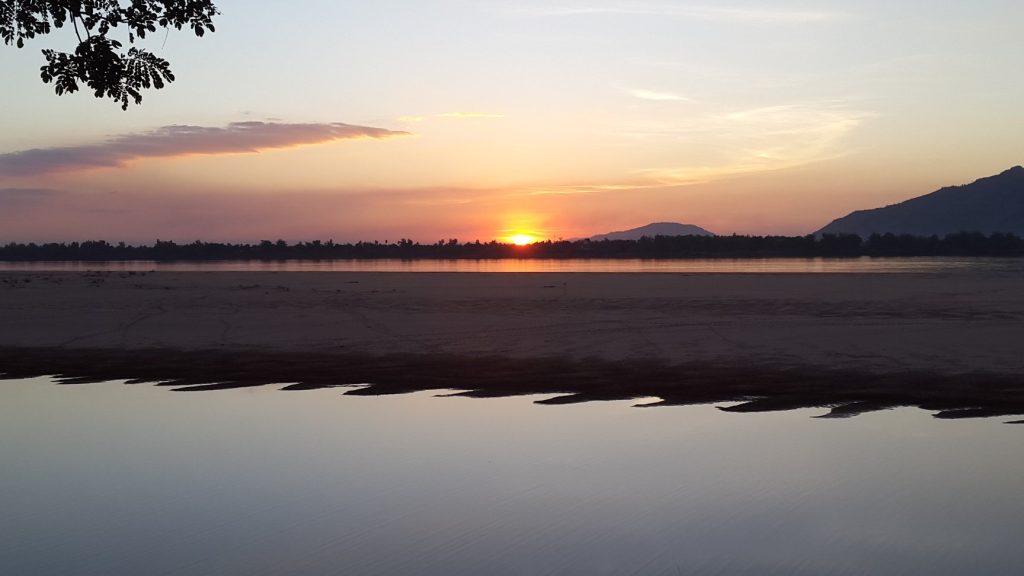
Some of the island’s most memorable views need no special excursion. A track beside the fields, a boat resting beneath the trees, the colour of the sky towards evening: leave room for them between your plans. Ask your host about suitable routes and return before the paths become difficult to see.
Curiosity.
A little patience.
A gentle approach.
Give yourself time to enjoy the island, and give its wildlife room to carry on around you.
Pack for a slow outing.
Bring binoculars if you have them, drinking water, sun protection and comfortable footwear. A notebook or phone can help you remember what you noticed.
Listen before you look.
Pause, keep voices low and scan the trees or field edges. If you are cycling, stop somewhere that leaves the path clear for others.
Let the birds keep their distance.
Use binoculars or your camera’s zoom. Leave nests and resting birds undisturbed, and avoid playing recorded calls to draw birds closer.
Follow the paths, respect the village.
Ask permission before entering private land or photographing people. Keep clear of crops, carry your litter away and leave plants where they grow.
Before you set off.
Do I need to be an experienced birdwatcher?
No. The guide is an invitation to look more closely. Start by noticing a bird’s size, colours, shape and behaviour, then compare it with the illustration. You can enjoy the walk even when you cannot put a name to every bird.
Will I see every bird in the poster?
Sightings vary. The poster introduces birds featured in the island guide; what you encounter depends on the season, habitat, weather and the time you spend observing.
Can I explore independently?
Walking and cycling are ways to explore the island’s village paths. Ask your accommodation host about access and current conditions, particularly after rain. If you would like a local companion or specialist guide, ask what can be arranged before your visit.
Where should I stay?
Choose a local homestay for a stay close to village life, or La Folie Lodge for riverside bungalows and suites. Find the hosts’ direct contacts and practical information in our island accommodation guide.
Give yourself
a little more time.
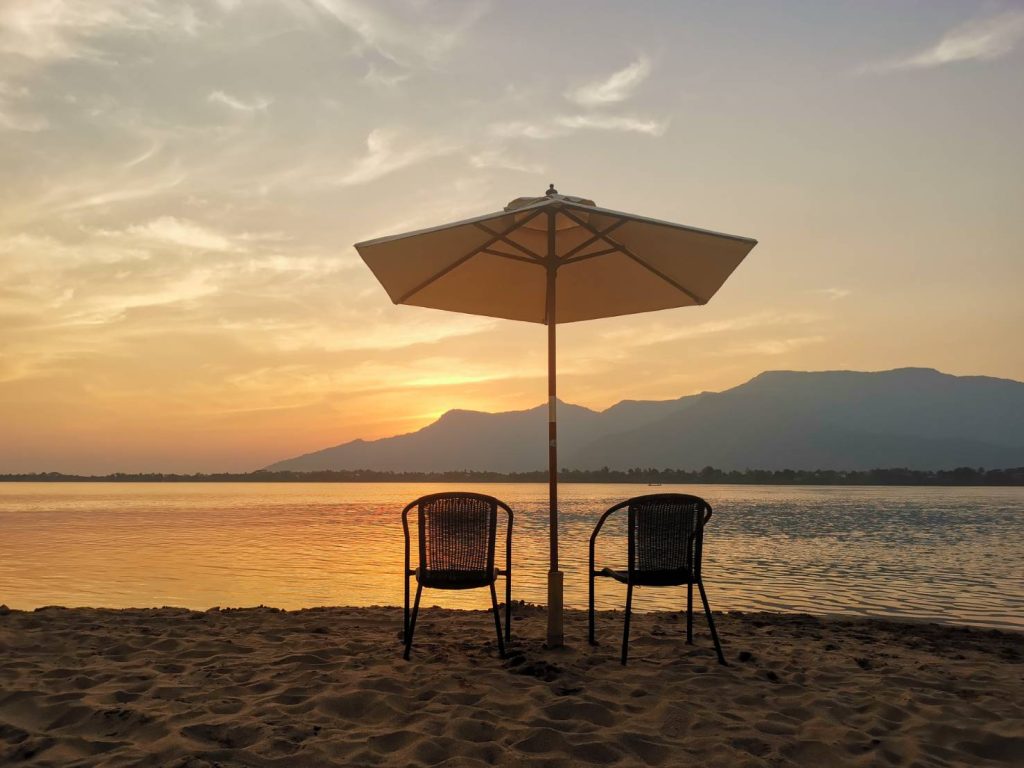
A night on the island leaves room for an evening by the Mekong and another unhurried walk the following morning.
Stay with local hosts or make La Folie Lodge your riverside base. Both bring you closer to the landscapes you came to explore.